
Last updated September 10, 2026
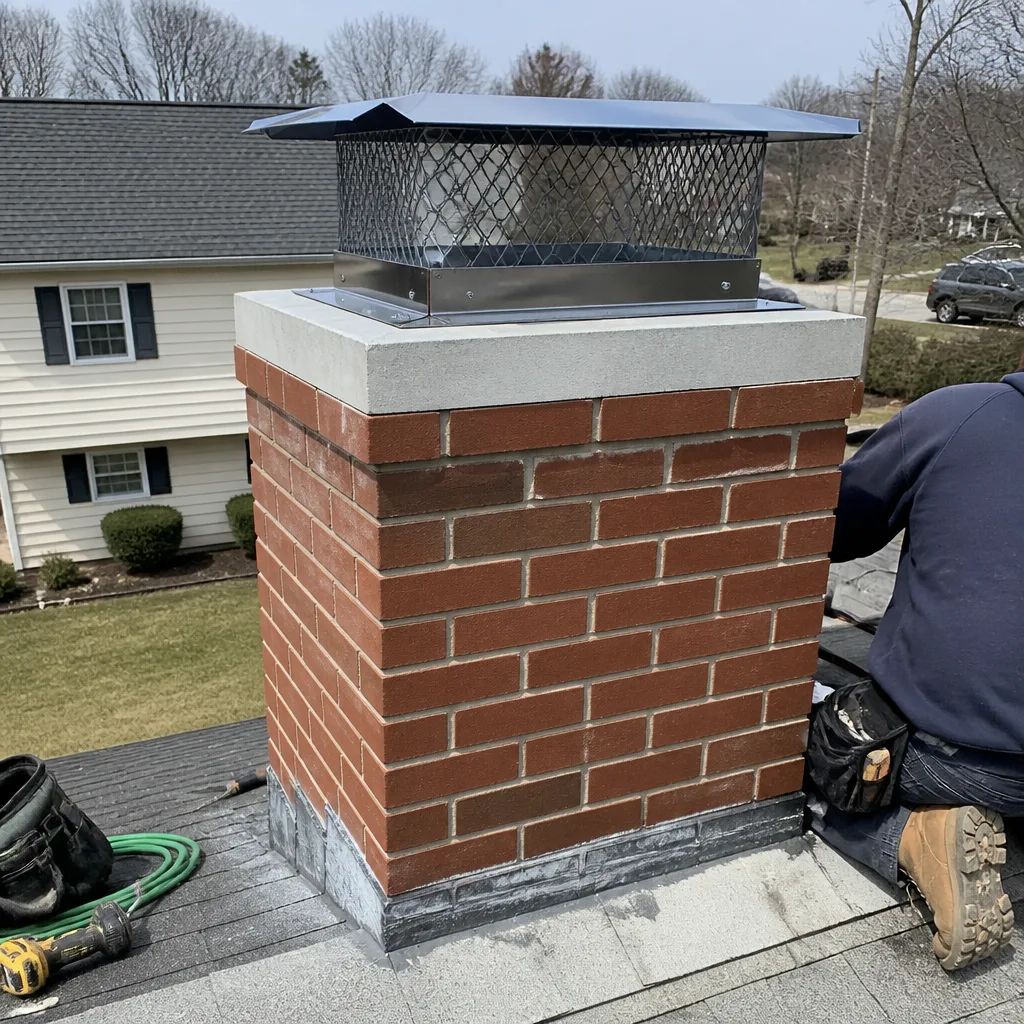
Level 1 sweep and inspection to the NFPA 211 annual standard - flue, crown, cap, and flashing checked and photographed
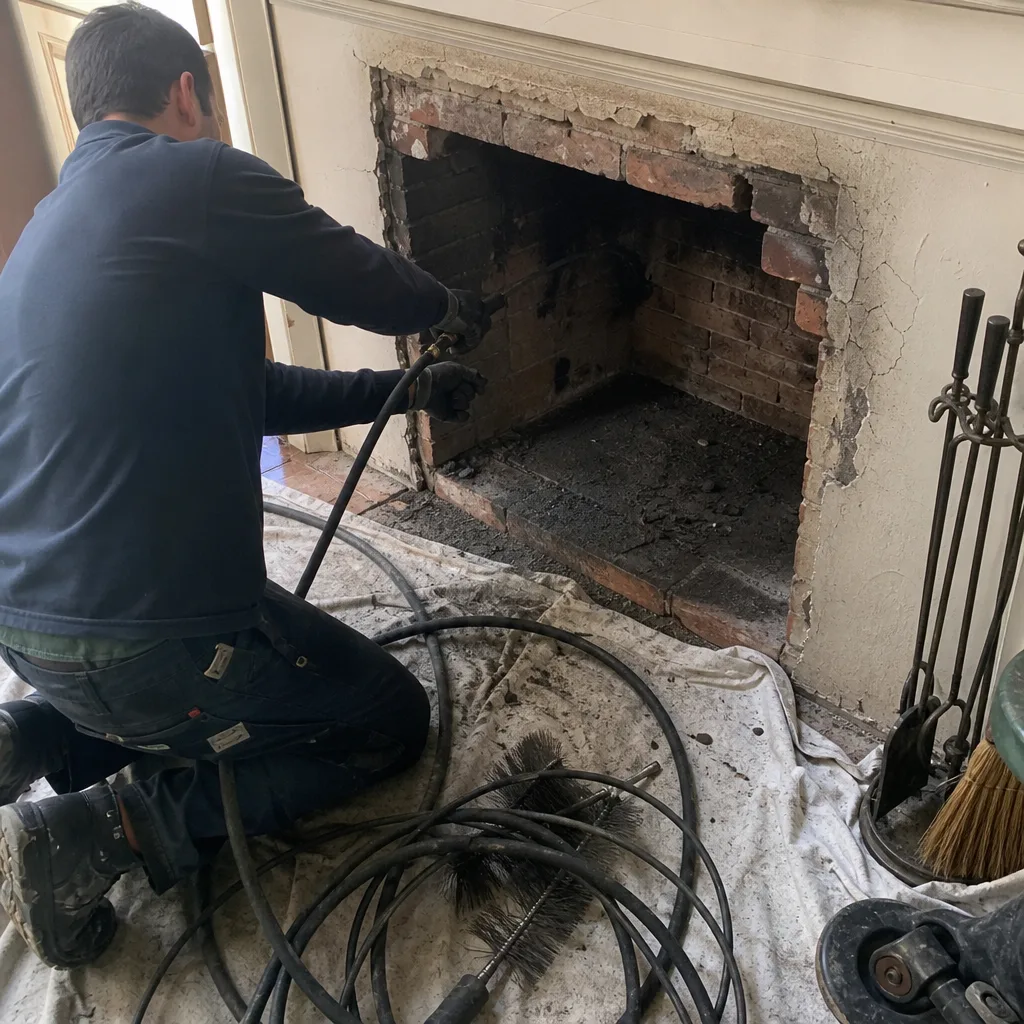
Chimney sweep logs do not sweep chimneys. They loosen some creosote - which then falls where a brush and vacuum still have to collect it.
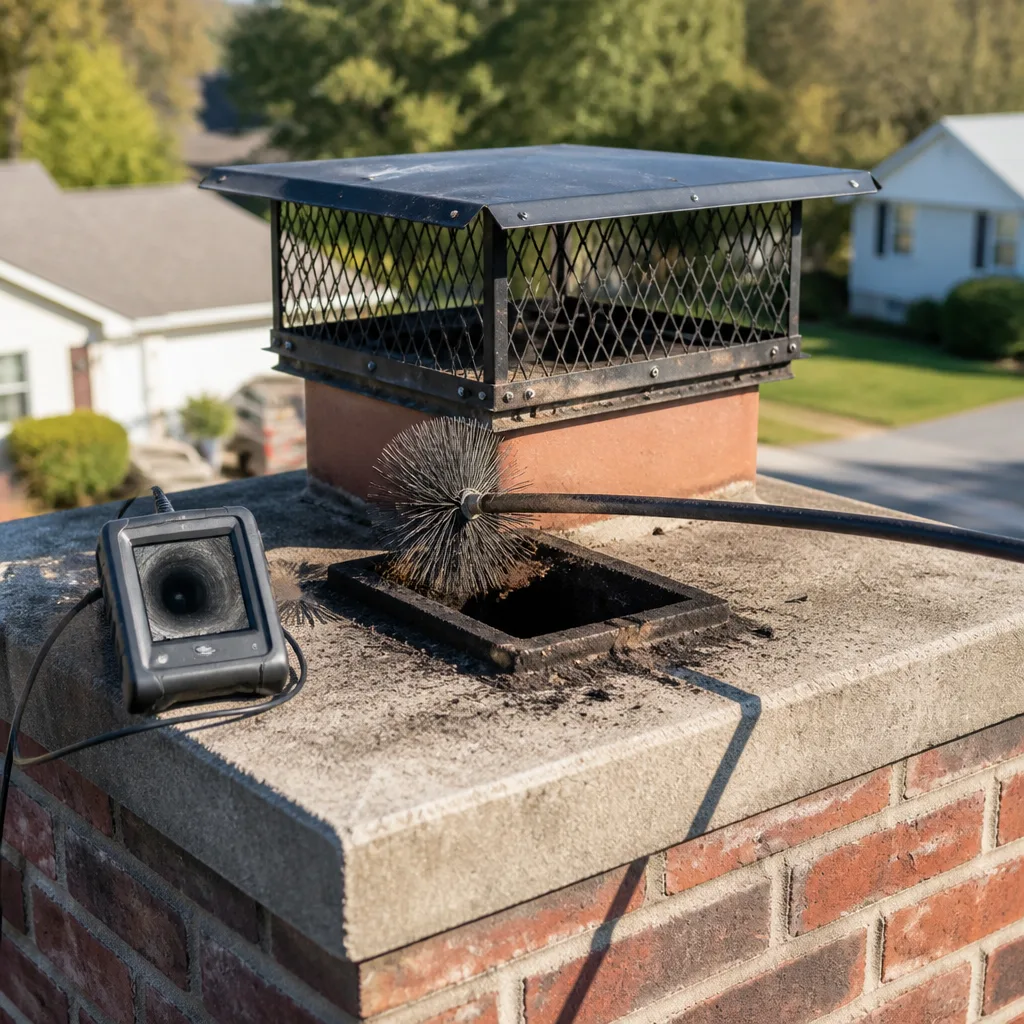
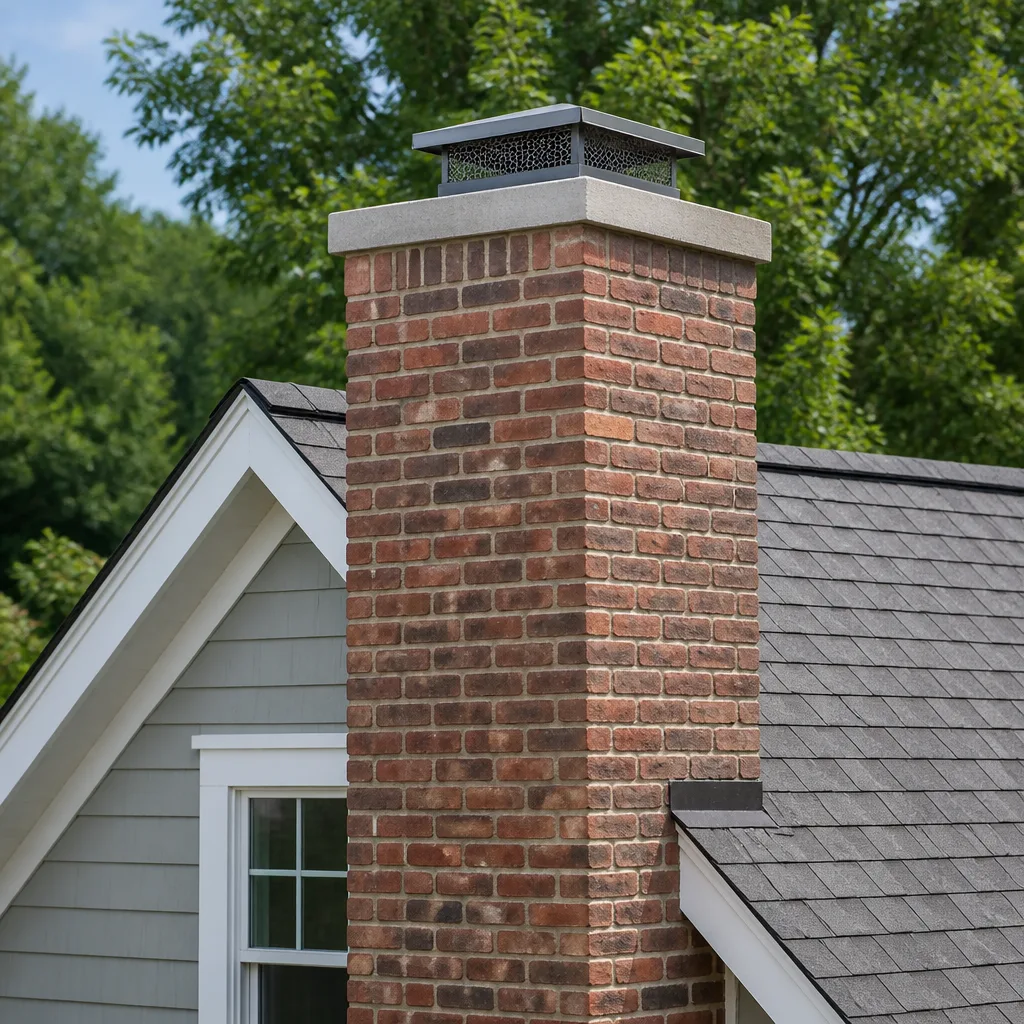
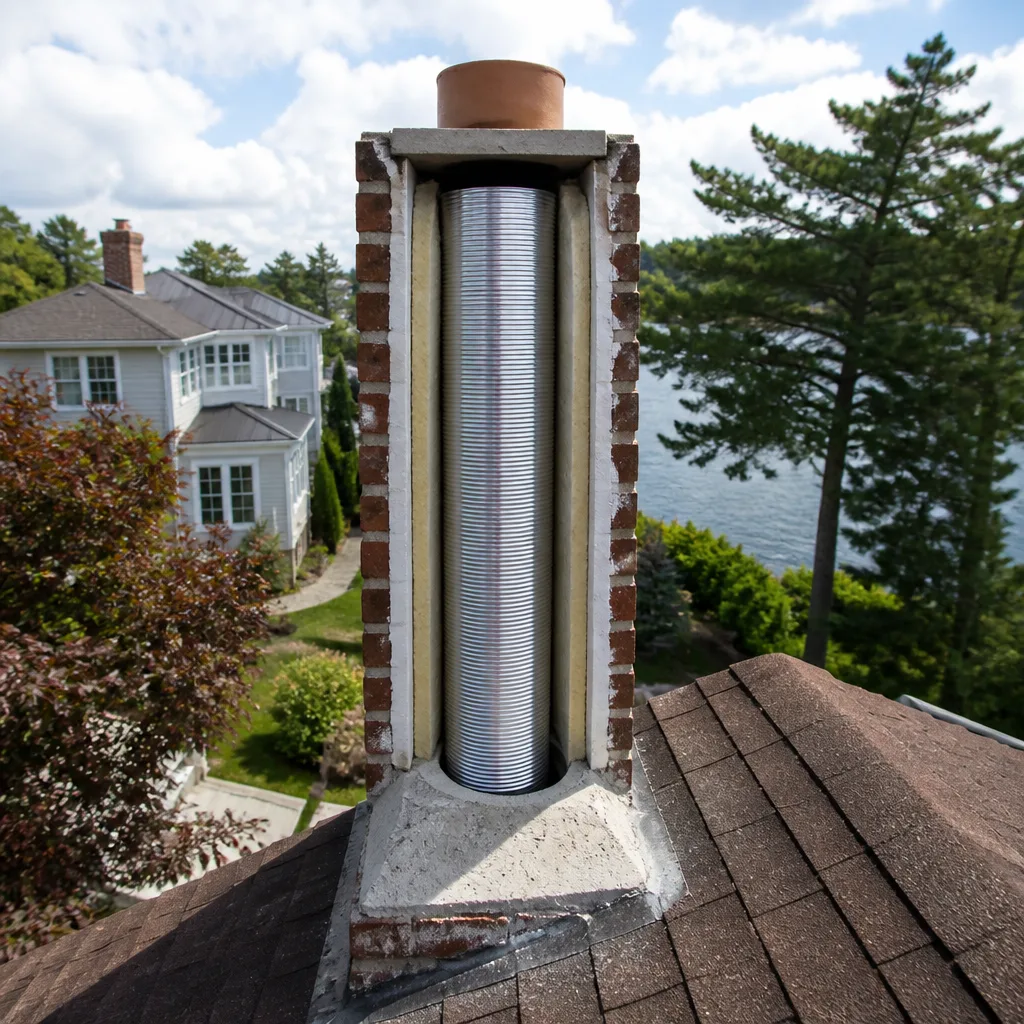
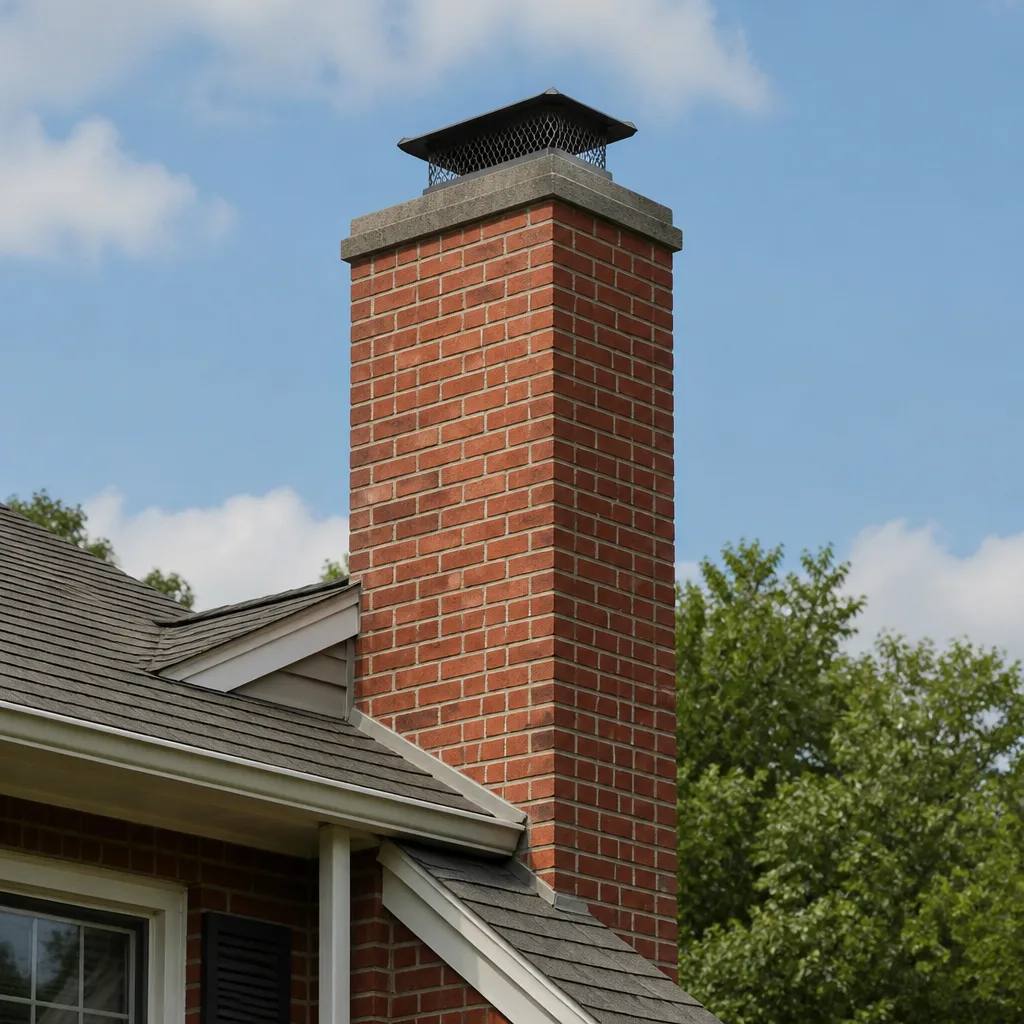
 Before
 After
After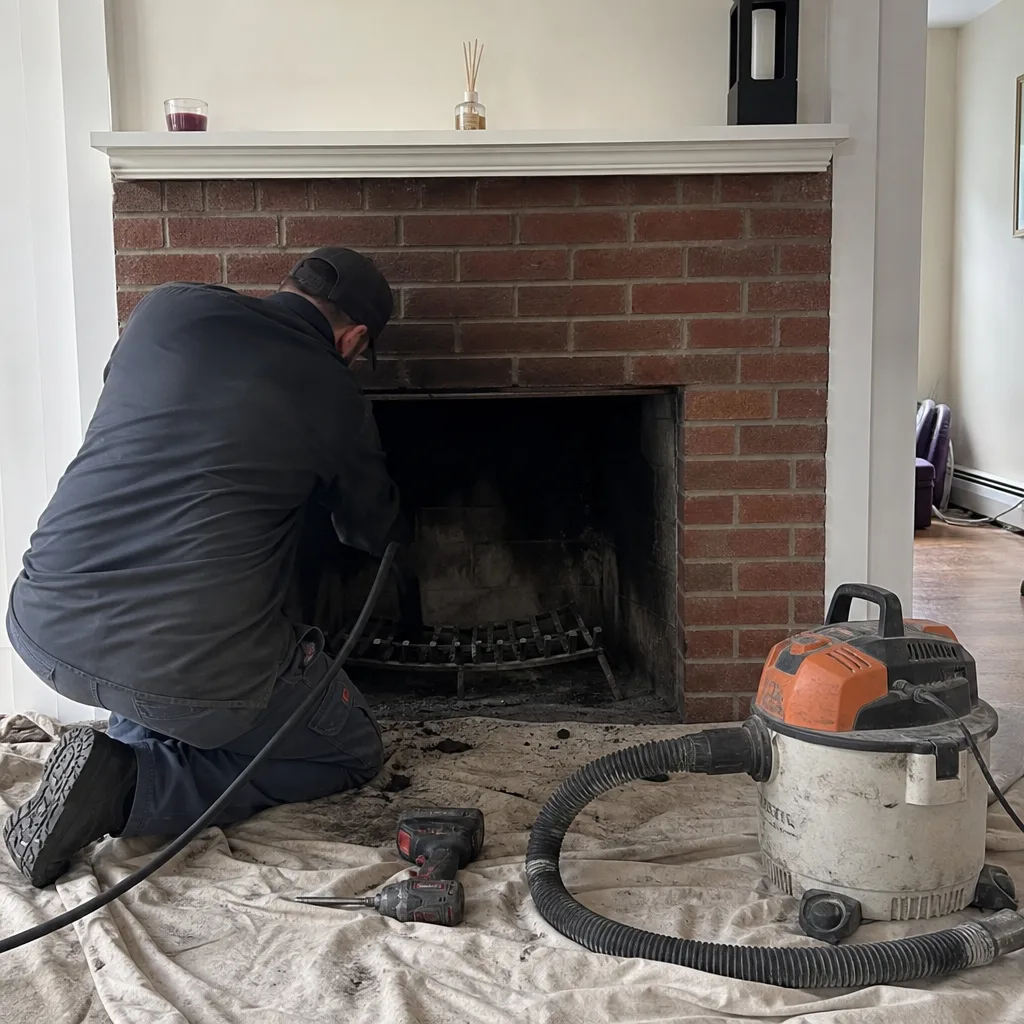 Before
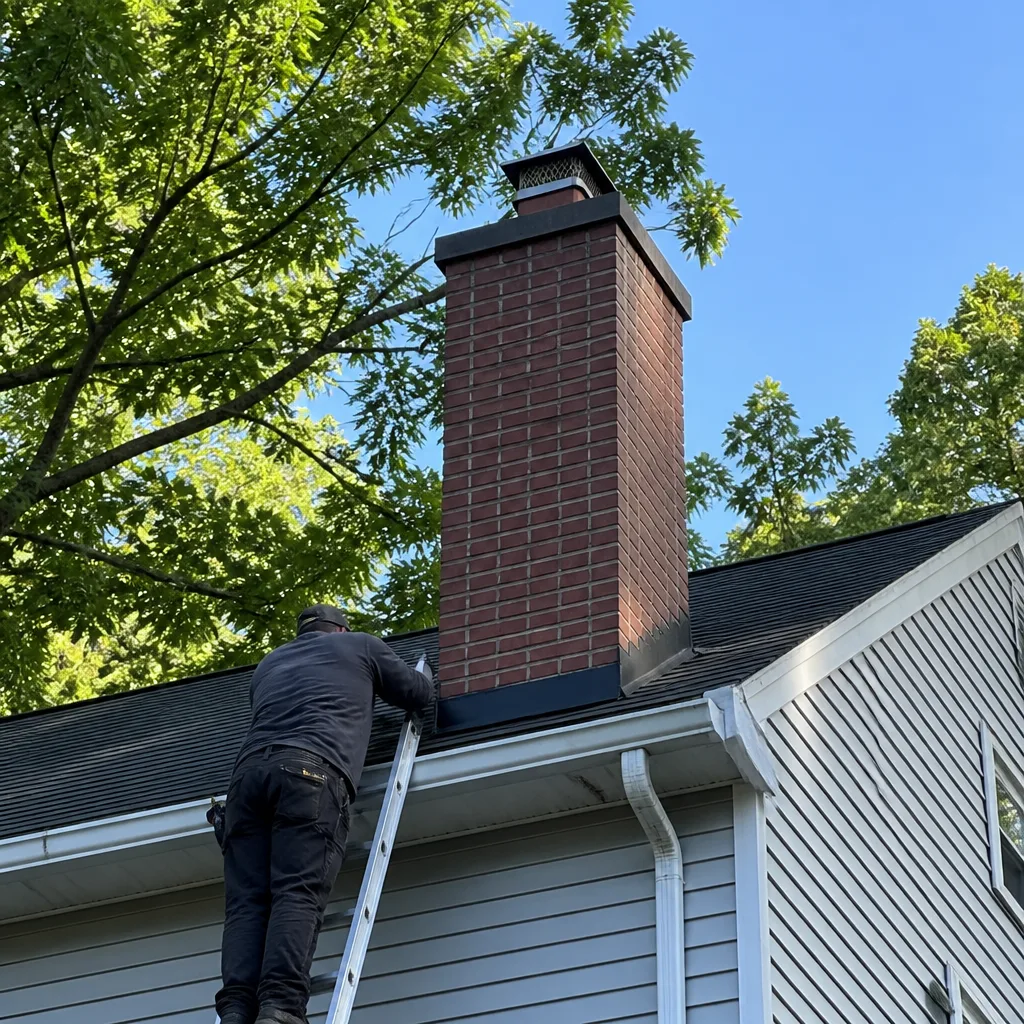 After
After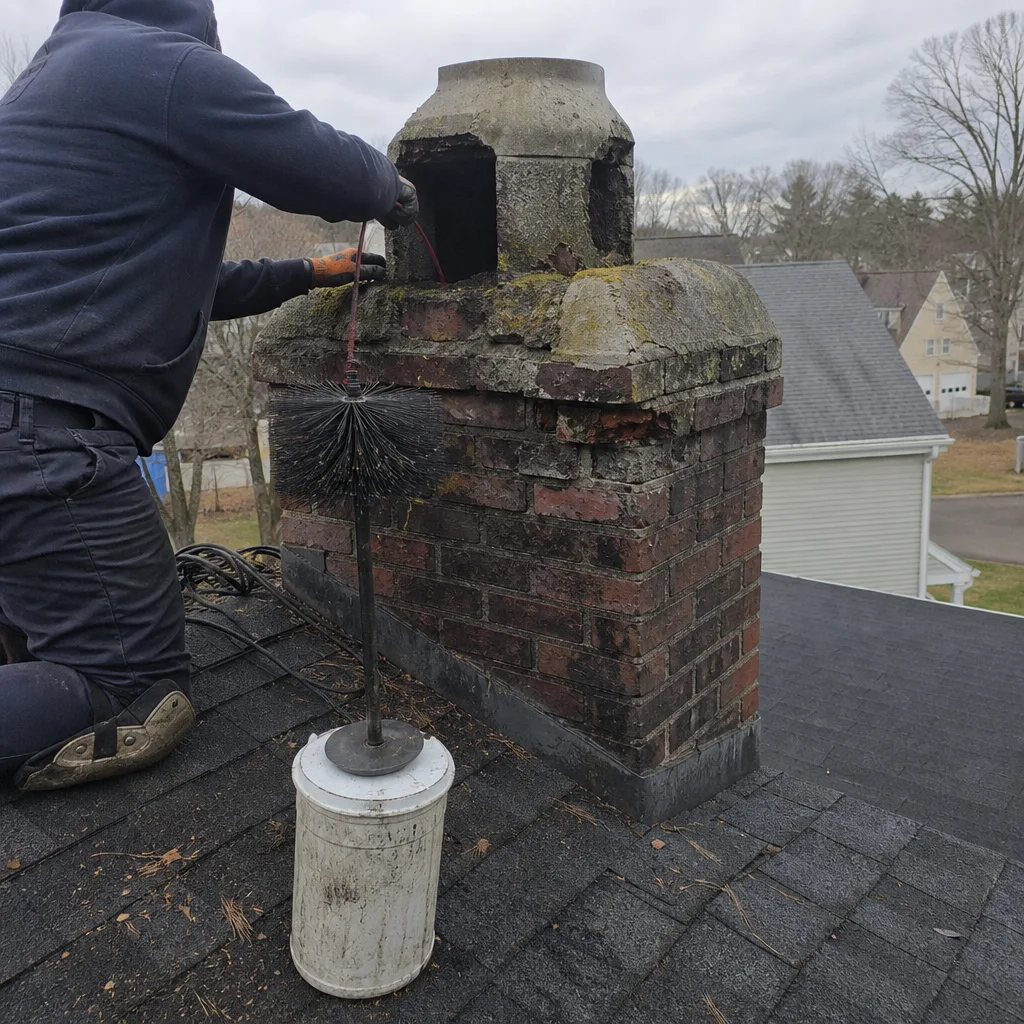 Before
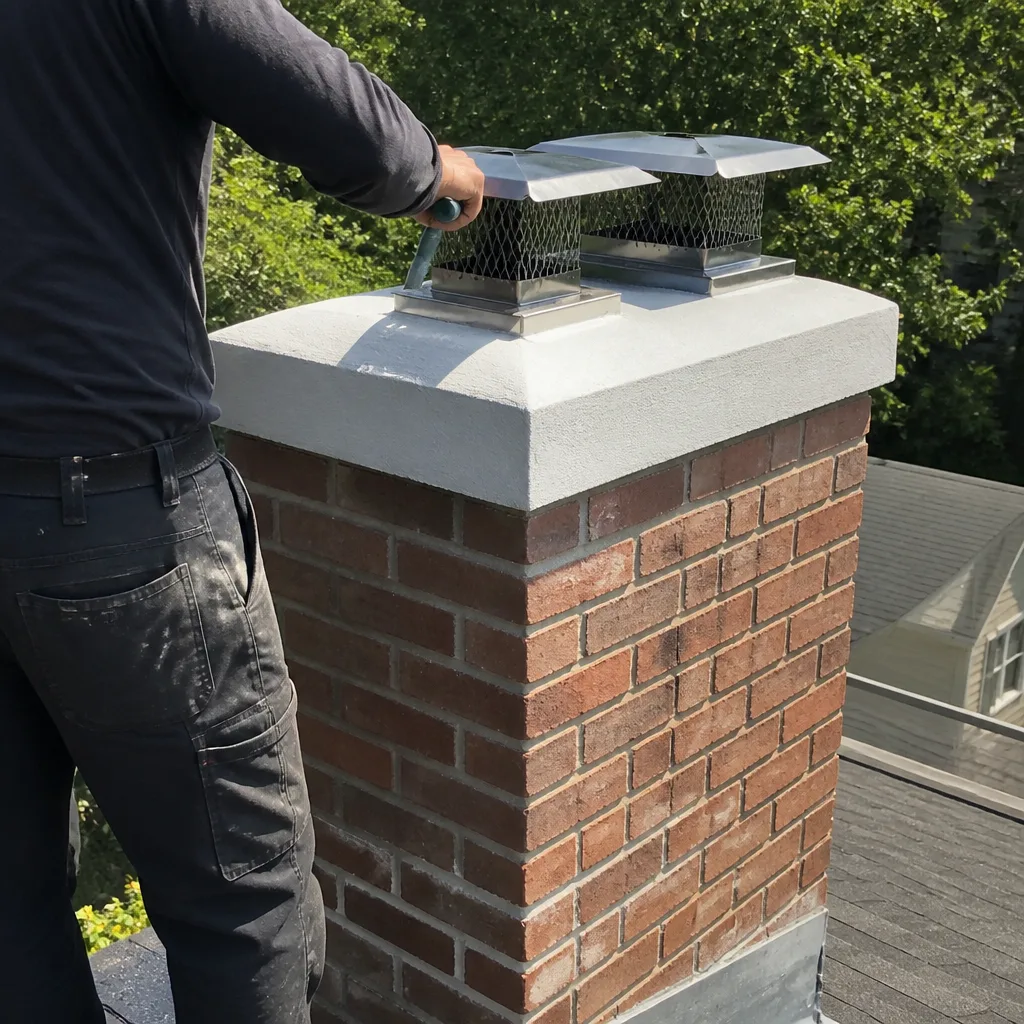 After
AfterChimney Cleaning Permits, Codes & Inspections in CT: What You Need to Know
A few winters back, a homeowner in Hamden’s Spring Glen neighborhood called us after their insurance company denied a fire damage claim. The adjuster had discovered that a previous contractor replaced their chimney liner without pulling a permit. That unpermitted work, done to save a few hundred dollars, voided the homeowner’s coverage when it mattered most. Most chimney cleaning in Connecticut requires no permit at all. But the repairs that a thorough cleaning often reveals? Those frequently do - and the line between the two is where homeowners get caught. In The Complete Guide to Chimney Cleaning in Hamden, we’ll walk you through exactly what Connecticut State Building Code requires, when Hamden’s building department gets involved, and how to protect your home and your insurance coverage.
Quick Answer
Chimney cleaning and sweeping in Connecticut generally do not require a building permit. However, chimney liner replacement, firebox repair, structural rebuilds, and most cap or crown installations do require permits under Connecticut State Building Code and the Residential Code for New York State (RCNYS) with Connecticut Amendments. In Hamden and throughout New Haven County, permits for residential chimney work are typically obtained through your local building department, with inspections required before the work is signed off.
Table of Contents
- Do You Need a Permit for Chimney Cleaning in Connecticut?
- Connecticut State Building Code: What Governs Chimney Work
- The Hamden Permit Process for Chimney Repairs
- NFPA 211: The Technical Standard Behind CT Inspections
- Insurance Documentation and the Permit Paper Trail
- Common Code Violations in Older Hamden Homes
- What Happens During a Level 2 Inspection
- Permit Costs, Inspection Timelines, and What to Expect
Do You Need a Permit for Chimney Cleaning in Connecticut?
No. Routine chimney cleaning, sweeping, and basic maintenance do not require a building permit anywhere in Connecticut, including Hamden. This is straightforward work: removing creosote buildup, checking for obstructions, and documenting the condition of the flue with a visual scan. The state does not classify this as construction, alteration, or repair of a building system.
Where homeowners stumble is in the gap between cleaning and what the cleaning reveals. A sweep may uncover a cracked flue liner, deteriorated mortar joints, or an improperly sized connector pipe. Once repair or replacement enters the picture, permit requirements activate.
Here’s the breakdown of what does and does not require a permit in Connecticut:
- No permit required: Chimney sweeping, creosote removal, basic crown sealing with brush-applied products, damper adjustment, and standard fireplace cleaning.
- Permit required: Chimney liner replacement or installation, firebox rebuild or refractory panel replacement, structural chimney repair, crown replacement (formed and poured), chase cover installation, and any modification to clearances or appliance connections.
- Gray area: Cap installation. A simple slip-in cap typically does not require a permit. A custom-fabricated cap with anchoring into the crown may, depending on your local building department’s interpretation.
In Hamden, we’ve found the building department takes a practical view: if the work changes the structure, the flue path, or the appliance connection, they want to see a permit. If it doesn’t, they don’t. The problem is that many cut-rate operators blur this line intentionally, performing liner replacements and calling them “cleaning” to avoid the permit fee and inspection. That saves them $200. It can cost you your insurance coverage.
Connecticut State Building Code: What Governs Chimney Work
Connecticut adopts the Residential Code for New York State (RCNYS) with state-specific amendments, and this is the document that controls residential chimney construction, repair, and alteration. The code is not optional. It is state law, administered locally but written in Hartford.
For chimney work, the relevant sections fall primarily under Chapter 10 of the RCNYS, “Chimneys and Fireplaces,” as modified by Connecticut State Amendments. Key provisions include:
- Section R1001 - Masonry Chimneys: Governs construction standards for new and rebuilt masonry chimneys, including minimum wall thickness, liner requirements, and height above roof penetrations. Any rebuild or structural repair in Hamden must meet these specifications.
- Section R1003 - Chimney Liners: Requires that all masonry chimneys serving solid fuel, oil, or gas appliances have an approved liner sized correctly for the appliance. This is where most permit-triggering work occurs. A liner replacement is not maintenance. It is an alteration of the venting system.
- Section R1005 - Factory-Built Chimneys: Governs metal chimney systems, including clearances to combustibles and termination heights. In Hamden’s older neighborhoods like Whitneyville and Centerville, we’ve seen multiple instances where homeowners installed wood stoves with improper factory-built chimney clearances, violating this section.
- Connecticut State Amendment to R1003.11: Requires that liner replacements in existing chimneys must be listed and labeled for the specific appliance type, and that the installation comply with the liner manufacturer’s instructions. This sounds obvious, but we’ve pulled out unlisted flex liner installed by handymen that had no testing certification at all.
The code also references NFPA 211 as the technical standard for installation clearances, liner sizing, and inspection protocols. We’ll cover that in detail below.
One Connecticut-specific wrinkle: the state does not have a statewide licensing requirement for chimney sweeps. Anyone can call themselves a sweep. But the building code still requires that permit work be done by someone qualified, and the permit application in most New Haven County towns asks for the contractor’s license number and insurance documentation. This is where the homeowner’s due diligence matters. A contractor who won’t pull a permit may not carry the credentials to obtain one.
The Hamden Permit Process for Chimney Repairs
Hamden’s Building Department operates under the authority of the Connecticut State Building Code but applies its own administrative procedures. For residential chimney work, the process is consistent but not automatic.
Here’s how it works for a typical liner replacement or firebox repair in Hamden:
- Application: The homeowner or contractor submits a building permit application to Hamden’s Building Department, located on Main Street. The application requires a description of work, contractor information, and a fee based on the project value. For most chimney repairs, this fee runs between $75 and $150.
- Plan review: For straightforward liner replacements, Hamden typically processes the permit over the counter or within a few business days. More complex work, such as a chimney rebuild or alteration of appliance connections, may require plan review by the building official.
- Inspection scheduling: Once the permit is issued, work can proceed. Hamden requires inspections at specific stages: typically a rough inspection after liner installation but before closure, and a final inspection after all work is complete and appliances are reconnected.
- Sign-off: After passing final inspection, the building department issues a certificate of completion or approval. This document is what your insurance company will want to see if you ever file a claim.
Hamden does not require a permit for routine chimney sweeping. But here’s what we’ve learned in 42 years of serving this market: the building department’s inspectors know the difference between a sweep and a repair, and they know when work has been concealed. We’ve been called to homes where a previous contractor installed a liner through the cleanout door without a permit, leaving no documentation. The homeowner only discovered the problem when they went to sell and the buyer’s inspector flagged the missing permit.
In New Haven County, permit requirements are fairly uniform across municipalities - Hamden, New Haven, North Haven, Wallingford, and Cheshire all follow the state code with minor administrative variations. But the specific inspector assigned to your job matters. Hamden’s inspectors are thorough. They’ll check liner sizing against appliance BTU output. They’ll verify that factory-built chimney sections maintain proper clearance to framing. They’ll ask to see the manufacturer’s installation instructions. A contractor who cuts corners won’t enjoy this process. A contractor who does the work correctly has nothing to fear.
NFPA 211: The Technical Standard Behind CT Inspections
Connecticut State Building Code adopts NFPA 211, Standard for Chimneys, Fireplaces, Vents, and Solid Fuel-Burning Appliances, by reference. This means NFPA 211 is not merely a guideline. It is enforceable law in Connecticut, and Hamden inspectors use it as their technical baseline.
NFPA 211 covers what the building code cannot: the granular details of safe installation and operation that determine whether a chimney system actually functions as designed. For homeowners, three chapters matter most.
Clearances to combustibles (Chapter 6): NFPA 211 specifies minimum distances between chimney surfaces and combustible building materials. In Hamden’s housing stock, built heavily between 1920 and 1970, we’ve found countless instances where original construction predates these standards. A chimney breast in a dining room wall may have lath and plaster directly against masonry with no air space. A factory-built chimney in a Centerville cape may have been installed with proper clearances originally, but subsequent insulation upgrades have closed the gap. NFPA 211 governs how these conditions must be addressed during repair or liner installation.
Liner sizing and material (Chapter 7): The standard requires that chimney liners be sized according to the appliance they serve, with specific tables correlating BTU output, flue area, and total system height. An undersized liner causes draft problems, rapid creosote buildup, and potential carbon monoxide spillage. An oversized liner, common when homeowners switch from coal to gas without updating the flue, causes condensation damage and liner deterioration. In Hamden, we’ve replaced liners in Spring Glen colonials where the original flue was sized for a coal furnace and never updated for the modern gas boiler connected to it.
Inspection protocols (Chapter 14): NFPA 211 defines three levels of inspection. Level 1 is visual, appropriate for annual maintenance when no changes have occurred. Level 2 requires internal examination with video scanning equipment, mandatory upon sale or transfer of property, after chimney fire or damage, or when any appliance is replaced. Level 3 involves demolition of building components to access concealed areas. Most of our Hamden customers need Level 2, and this is where our camera inspection process, documented with photos and a plain-English verdict, aligns exactly with the standard’s requirements.
Connecticut inspectors don’t carry NFPA 211 into every job site, but they know its key provisions. When a Hamden building official asks why a liner was sized a certain way, the correct answer cites NFPA 211 table values. When they ask how you verified clearance to combustibles in a finished wall, the correct answer describes the Level 2 inspection protocol. Contractors who can’t provide these answers don’t get their permits signed off.
Insurance Documentation and the Permit Paper Trail
This is where the Spring Glen homeowner’s story becomes relevant to every property owner in Connecticut. Insurance policies contain a material representation clause. When you sign your homeowner’s policy, you represent that your home’s systems are installed and maintained according to applicable codes. If they aren’t, the insurer has grounds to deny claims.
After a chimney fire, most insurers will request documentation of the chimney’s condition and any recent work. They may send their own inspector. The questions they ask are predictable:
- When was the chimney last cleaned?
- Has any repair or modification work been performed?
- Was that work permitted and inspected?
- Can you provide the certificate of completion?
A permitted, inspected repair creates a paper trail that answers these questions definitively. The permit application shows who did the work and when. The inspection records show that a qualified third party verified compliance with code. The certificate of completion closes the loop. This documentation is not merely bureaucratic. It is evidence that your home was maintained to the standard your policy requires.
An unpermitted repair creates the opposite: a gap in documentation that insurers exploit. We’ve seen claim denials based on unpermitted liner work, uninspected firebox rebuilds, and contractor-performed “cleaning” that was actually structural modification. The homeowner’s recourse is limited. Connecticut courts have upheld insurer denials where unpermitted work contributed to the loss, even if the work was technically competent.
For Hamden homeowners, the practical implication is simple. When a contractor proposes work that triggers permit requirements, insist on the permit. A legitimate contractor will not resist. The permit protects you twice: first by ensuring code-compliant work, second by preserving your insurance coverage. At Hearthstone Chimney Co., we pull permits for all work that requires them, and we provide homeowners with copies of all documentation. Photos you can see, a plain-English verdict, and the paperwork to back it up. That’s how we’ve operated for over 42 years.
Common Code Violations in Older Hamden Homes
Hamden’s housing stock presents specific challenges that newer construction does not. The town developed rapidly between 1920 and 1960, and many of its chimneys reflect building practices that predate modern codes. During Level 2 inspections, we encounter the same violations repeatedly.
Improper flue sharing: Connecticut code and NFPA 211 prohibit sharing a flue between solid fuel and gas or oil appliances, and between multiple solid fuel appliances, with limited exceptions. In Hamden’s older two-family homes and converted capes, we’ve found original construction where a furnace and fireplace shared the same flue, or where a wood stove was tied into a flue already serving an oil boiler. This is a code violation and a carbon monoxide hazard. Correction requires separate flues or liner installation to isolate the appliances.
Missing or inaccessible cleanout doors: The RCNYS requires masonry chimneys to have cleanout doors at the base of the flue. In Hamden basements, particularly in homes with finished lower levels, we’ve found cleanouts walled over during renovation. This violates code, prevents proper maintenance, and can allow creosote accumulation to become a fire hazard. Reopening or relocating the cleanout is permit-required work in most cases.
Undersized liners on retrofit gas appliances: When homeowners replace an old oil furnace with a high-efficiency gas unit, the new appliance typically requires a smaller flue. Connecting it to an oversized existing flue causes condensation, liner corrosion, and eventual failure. We’ve replaced corroded liners in Whitneyville and Mount Carmel homes where this exact sequence occurred. The original installation was often unpermitted, and the homeowner only discovered the problem when the chimney began leaking condensation into the basement.
Improper termination height: Code requires chimneys to terminate at specific heights above roof penetrations to ensure proper draft and prevent downdraft. In Hamden’s hilly terrain, with homes built on varied grades, we’ve found chimneys that met height requirements when built but no longer do after additions or grade changes. A dormer addition in West Woods, for example, can create a wind current that blows directly across a previously compliant chimney top.
Deteriorated mortar and missing bricks: While not always a code violation in itself, significant masonry deterioration triggers repair requirements under the general structural provisions of the building code. Spalling brick, missing mortar joints, and leaning chimneys are safety hazards that Hamden inspectors will flag. Rebuild or repointing work requires permits.
What Happens During a Level 2 Inspection
NFPA 211 requires Level 2 inspections in specific circumstances: property sale or transfer, after a chimney fire, when an appliance is changed, or when damage is suspected. In practice, we recommend Level 2 for any Hamden homeowner who hasn’t had their chimney internally examined in the past five years, particularly if the home was built before 1980.
Here’s what the process involves:
- Exterior examination: We assess the chimney from the roof and ground, documenting crown condition, brick and mortar integrity, flashing, and termination height. We note any signs of leaning, settlement, or water damage.
- Interior flue scan: Using a high-resolution camera system, we examine the full length of the flue from the firebox or appliance connection to the chimney top. The camera reveals cracks, gaps, creosote buildup, and obstructions that visual inspection cannot. We record the entire scan for documentation.
- Appliance connection review: We inspect the connection between the appliance and the flue, checking for proper sizing, secure attachment, and clearance to combustibles. This is where improper DIY installations typically reveal themselves.
- Clearance verification: Where accessible, we measure clearances between the chimney and surrounding framing, insulation, and finishes. In finished spaces, we use inspection ports or thermal imaging to identify potential hazards without destructive testing.
- Documentation and verdict: We provide dated photos of all findings, a written report with our plain-English assessment, and specific recommendations prioritized by urgency. Some conditions require immediate correction. Others can be scheduled. We’ll tell you which is which.
In Hamden, we’ve performed Level 2 inspections that revealed unpermitted liner work from previous owners, hidden fire damage behind refractory panels, and deteriorated factory-built chimney sections concealed in finished chases. The camera doesn’t lie, and the documentation protects both the homeowner and the contractor.
Our Level 2 inspections use professional-grade equipment, and when liner replacement is needed, we specify materials from manufacturers we trust: Gelco for caps and chase covers, Olympia Chimney for stainless steel liner systems, and Famco for specialized termination components. These are not builder-grade substitutes. They are products we’ve installed in Hamden homes for decades, with track records that match our own.
Permit Costs, Inspection Timelines, and What to Expect
Understanding the administrative side of permitted work helps homeowners plan and budget realistically. Here’s what to expect for typical chimney repairs in Hamden and surrounding New Haven County towns.
| Project Type | Hamden Permit Fee | Typical Inspection Timeline | Documentation Provided |
|---|---|---|---|
| Chimney liner replacement | $75-$125 | Rough + final, 3-5 business days to schedule | Permit, inspection records, certificate of completion |
| Firebox repair / refractory panel replacement | $50-$100 | Final inspection only, 2-3 business days | Permit, inspection records, certificate of completion |
| Crown replacement (formed and poured) | $50-$100 | Final inspection, 2-3 business days | Permit, inspection records |
| Chimney cap installation (slip-in) | None required | N/A | Invoice with product specifications |
| Structural rebuild (partial or full) | $100-$200+ | Foundation, rough, final; 5-10 business days total | Permit, all inspection records, engineer sign-off if required |
These fees are modest compared to the cost of the work itself. A typical stainless steel liner replacement in Hamden runs $2,500 to $4,500 depending on flue length, access difficulty, and appliance configuration. The permit fee is a small percentage of that total. Where cut-rate operators “save” money is in skipping the permit, skipping the inspection, and using unlisted materials that cost less upfront but fail prematurely.
Timeline planning matters for seasonal work. Hamden homeowners typically schedule chimney maintenance in late summer and fall, before heating season. The building department gets busy during this period. We recommend applying for permits in August or early September for work you want completed before October. Emergency repairs can be expedited, but routine work follows the standard queue.
One practical note: Hamden’s building department, like most in Connecticut, does not inspect chimney cleaning or sweeping. They inspect construction, alteration, and repair. This confirms what we stated at the outset: cleaning requires no permit. But if your sweep discovers conditions requiring repair, the permit process begins then, not retroactively. A contractor who performs repair work and only then suggests a permit is operating backwards. The correct sequence is permit first, work second, inspection third.
Common Mistakes to Avoid
- Assuming all chimney work is “maintenance.” Connecticut code draws a clear line between cleaning (maintenance) and repair or replacement (construction). Misunderstanding this distinction leads homeowners to accept unpermitted work they believe is routine.
- Hiring a contractor who refuses to pull permits. Any contractor who says permits “aren’t necessary” or “just add cost” is asking you to assume legal and financial risk they should carry themselves. In Hamden, legitimate contractors pull permits without argument.
- Completing sale paperwork without chimney documentation. Connecticut does not require a specific chimney inspection at sale, but buyers’ inspectors and insurers increasingly request Level 2 documentation. Unpermitted work discovered during sale negotiations can delay closing or reduce sale price.
- Ignoring manufacturer installation requirements. The RCNYS Connecticut Amendment requires compliance with manufacturer instructions. A liner installed contrary to its listing, even if it “looks right,” is a code violation. We’ve removed improperly installed liner that appeared functional but had no legal standing.
- Assuming gas appliances are “cleaner” and need less scrutiny. Modern high-efficiency gas units produce acidic condensate that damages traditional masonry. The liner requirements for gas are often more stringent than for solid fuel, not less.
- Accepting verbal assurances without written documentation. “We fixed it” means nothing to an insurance adjuster. Permits, inspection records, and written warranties create the paper trail that protects your investment.
When to Call a Professional
Call a qualified chimney professional when your annual cleaning reveals anything beyond surface creosote, when you’re buying or selling a home in Hamden and need Level 2 documentation, when you’ve changed or upgraded any heating appliance, or when you suspect damage from a chimney fire, storm, or seismic event. Call when a previous contractor performed work without permits and you need to establish whether it was done correctly. Call when you simply don’t know what you have - many Hamden homeowners with older properties have never seen inside their flue. For additional help, see our more guides & resources.
At Hearthstone Chimney Co. home, we’ve served Hamden and surrounding communities for over 42 years. Our Level 2 camera inspections end with photos you can see and a plain-English verdict. We pull permits for all work that requires them, and we provide complete documentation. Our 90-Day Done Right Promise means if it’s not right, we make it right - in writing, no arguing. Hearthstone Chimney Co. offers free estimates in Hamden - call (475) 369-1614.
Frequently Asked Questions
A standard chimney cleaning and inspection in Hamden typically costs between $200 and $350, and no permit is required or included because routine sweeping is classified as maintenance, not construction. If the sweep reveals conditions requiring repair, we’ll explain what permits are needed and handle that process as part of the repair estimate. Call (475) 369-1614 for an exact quote - estimates are free.
You need a new liner when the existing one is cracked, deteriorated, improperly sized for your current appliance, or made of material no longer listed for your fuel type. We don’t recommend replacement without camera evidence you can see for yourself, and we’ll tell you plainly when work can safely wait. An unlined or damaged flue is a fire and carbon monoxide hazard, but not every old liner needs immediate replacement.
NFPA 211 recommends annual inspection, with cleaning as needed based on creosote accumulation. In Hamden, where many homeowners burn seasoned hardwood or run oil and gas appliances through masonry chimneys, we find annual cleaning sufficient for most. Heavy use, green or unseasoned wood, or appliance changes may require more frequent service.
Skipped maintenance allows creosote to accumulate, increasing fire risk, and permits deterioration to progress until repair costs multiply. A cracked liner left unaddressed can damage surrounding masonry. A blocked flue can cause carbon monoxide backup. The cost of annual cleaning is minor compared to the cost of rebuilding a fire-damaged chimney or replacing a home’s framing. That said, we don’t use scare tactics - we’ll show you what we find and let you decide.
Hamden does not mandate a chimney-specific inspection at sale, but Connecticut’s property disclosure requirements ask about heating system condition, and buyers increasingly request Level 2 inspection documentation. Unpermitted work discovered during buyer due diligence can become a negotiation issue. We recommend proactive inspection before listing, so you control the timeline and the information.
A sweep performs cleaning and basic visual assessment. An inspector, particularly one qualified for Level 2 work, uses specialized equipment to examine internal surfaces and document conditions with photos and video. At Hearthstone Chimney Co., our technicians are trained to both standards - we clean what needs cleaning and inspect what needs inspecting, with no separation between the two.
The Bottom Line
Chimney cleaning in Connecticut requires no permit. The repairs that cleaning reveals frequently do, and the boundary between the two is where homeowners protect or jeopardize their homes. Connecticut State Building Code, the RCNYS with state amendments, and NFPA 211 provide the framework. Hamden’s building department provides the local enforcement. Your insurance policy provides the financial stakes. The right contractor pulls permits without being asked, documents everything, and stands behind the work in writing. Anything less leaves you exposed.
We’ve been doing this in Hamden for over 42 years. We plan to be here for 42 more. That changes how you treat every job, every permit, and every homeowner who calls.
Written by Russell Haines, Owner at Hearthstone Chimney Co., serving Hamden since 2014.